
Pharmaceutical and Cosmetics Processing
With its delicate dry bulk ingredients, the pharmaceutical and cosmetics industry requires rotary valves that handle material with accuracy and care. Find the best options right here.

Rotary valves for pharmaceutical and cosmetics processing
With sanitary and quick-cleaning features, our valves help you meet regulatory standards while delivering consistently great performance.

Micro-Ingredient Series

MD Series

MD Series with Quick-Clean RotorRail™

CI Series


Need help choosing the right valve?
That’s what we’re here for. Get in touch with your local ACS Valves representative to find out which valve is the best match for your application in the pharmaceutical and cosmetics industry.
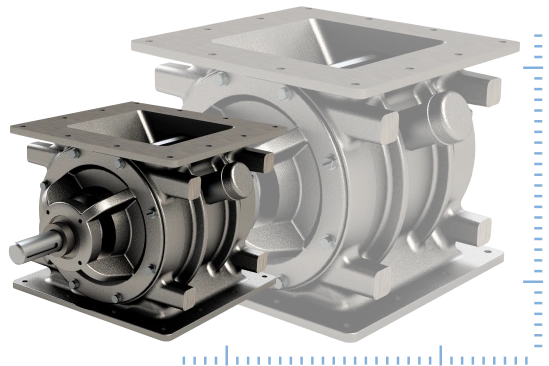
In-house design services
Get design helpView rotary valve technical drawings
See drawingsValve options for pharmaceutical and cosmetics processing
Prevent sticking, contamination, and product loss with the right combination of rotary valve accessories for the pharmaceutical and cosmetics industry.


Common bulk materials
Our customers in the pharmaceutical and cosmetics industry typically convey ingredients like these (and plenty of others too).
- Granules
- Powders
- Capsules
- Pigments
- Talc
- Silica
Valve resources for pharmaceutical and cosmetics
Browse blogs to find helpful tips and learn how rotary airlocks are configured to handle pharmaceutical and cosmetics industry challenges.

What’s new in the NFPA 660 combustible dust standard?
NFPA 660: Standard for Combustible Dusts and Particulate Solids (2025) is now in effect. Find out what the changes mean for your processing plant.

Is my rotary valve NFPA compliant?
Learn the requirements for an NFPA compliant rotary airlock valve and find out why compliance is so important.

How to: Clean a Quick-Clean Rotary Valve
Quick-Clean rotary valves are designed for fast, tool-less cleanup — just follow these steps to get it done

Avoid sticky situations with a rotary airlock feeder
The Aero-Flow feeder valve mixes material with pressurized air to prevent premature wear and boost consistency
Watch videos to see rotary airlock valves in action and find useful information for the pharmaceutical and cosmetics industry.
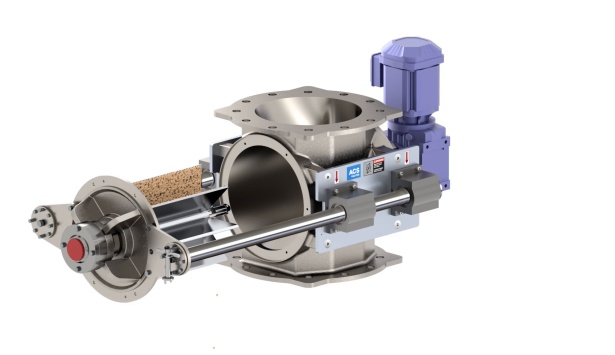
Steps to Clean Your Quick-Clean Rotary Valve

ACS Valves: It Will Fit

What you need to know about DHAs and NFPA 652
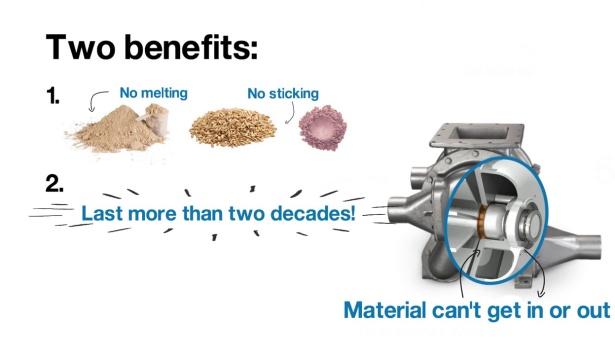
How to convey sticky material with a blow-through
Find downloads of rotary valve technical specs and learn more about the options available for pharmaceutical and cosmetics processing.
-
This link opens in a new tab
![ACS Conveying System Safety Guidelines]() ACS Conveying System Safety Guidelines
ACS Conveying System Safety GuidelinesDownload our blueprint on plant safety and print some off to keep your workers informed!
Download -
This link opens in a new tab
![ACS NFPA Pocket Guide]() ACS NFPA Pocket Guide
ACS NFPA Pocket GuideTips for NFPA compliance in your rotary valve and process
Download -
This link opens in a new tab
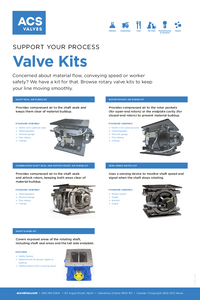 Valve Kits
See an overview of the rotary airlock valve kits we provide to boost performance and process efficiency.
Download -
This link opens in a new tab
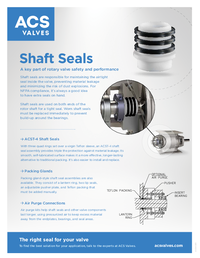 ACST4 Shaft Seals
Used on both ends of the rotor shaft for a tight seal. The option of air purge connections for severe conditions are available on either shaft seal, they help keep the material from building up around the shaft seals.
Download


Pharmaceutical and cosmetics industry FAQs
You asked, we answered these common questions related to pharmaceutical and cosmetics processing and rotary valves.
See all FAQs-
A.
In pharmaceutical, cosmetics, and food processing plants, quick-clean rotary airlock valves boost sanitation by dramatically speeding up the cleaning process. Standard valves can be time-consuming to disassemble, requiring tools and several steps. Quick-clean models are built on a rail system, so you simply turn a handle, slide out the internal rotor, and start cleaning.
Relevant for: Reliability, Safety -
A.
The CI and MD Series rotary airlock valves excel at maintaining the consistent, uniform flow needed for metering pharmaceutical ingredients, and they can be customized to fit most applications. In more specialized cases, you might need a BT Series blow-through valve to optimize air flow, or a mini- or micro-sized valve for small test batches. There are also rotors that limit pocket size or control material flow in various ways to suit your needs. Your supplier should be able to explain the best choice for your application.
Relevant for: Conveying Systems, Reliability -
A.
For industries like food, pharmaceuticals, and cosmetics, rotary valves need the right coatings and features to prevent cross-contamination. We typically recommend either stainless-steel, Lectrofluor, or XTR-Coat to ensure your valve has the appropriate protection against sticking and corrosion. Smooth internal surfaces are an essential feature of any valve, but especially for sanitation. Finally, if you find yourself switching between batches often, consider a quick-cleaning design to reduce downtime.
Relevant for: Conveying Systems, Safety
Configure a valve for pharmaceutical and cosmetics processing
The accuracy and reliability of your rotary valve depends on how it’s configured. To make sure you select the right options for your application, get in touch with our experts via the form.